The Core Problem
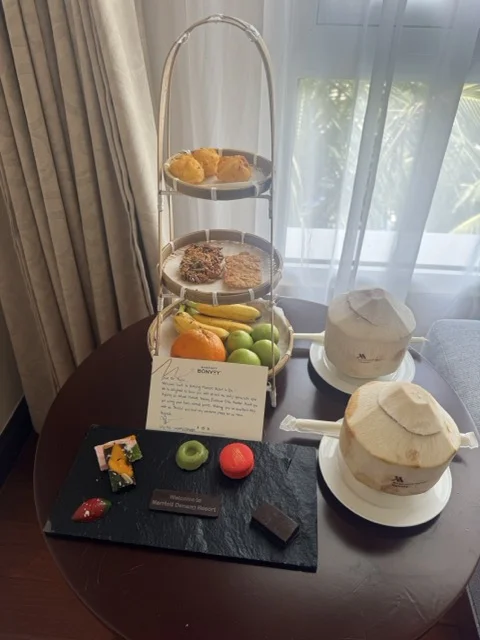
Hotels have more guest data than ever before. They just don't know how to activate it. Most collect the basics: names, birthdays, room preferences. They don't connect those signals to anything that changes the actual experience. The basket on my desk is proof. Someone spent real money on it. And none of it is something I would ever want.
The Personalization Paradox
Hotels want to create personalized experiences. To do that, they need data. But guests only share data when they already feel understood.
It's a loop with no entry point.
When guests see no value in sharing, they stop sharing. The result is generic service every time, for every guest.
What Hotel AI Personalization Actually Looks Like
Here is what a good hotel AI personalization system looks like in practice.
It starts before you arrive. You book a room. An AI-assisted avatar concierge reaches out in your preferred language, available 24 hours a day. It already knows you don't eat onions. It suggests the crab pasta from the newest menu. It asks if you'd like to book a tennis coach and recommends available times.
When you arrive, check-in takes two minutes. The front desk wishes you a happy birthday. The system asks if you'd like to book a massage at a nearby spa after your tennis session — because it knows those are things you value.
This is not science fiction. My clients are building this right now. The tools exist. The data is there. The gap is not the AI itself.
The gap is how data gets collected, connected, and activated.
Before: Generic Experience
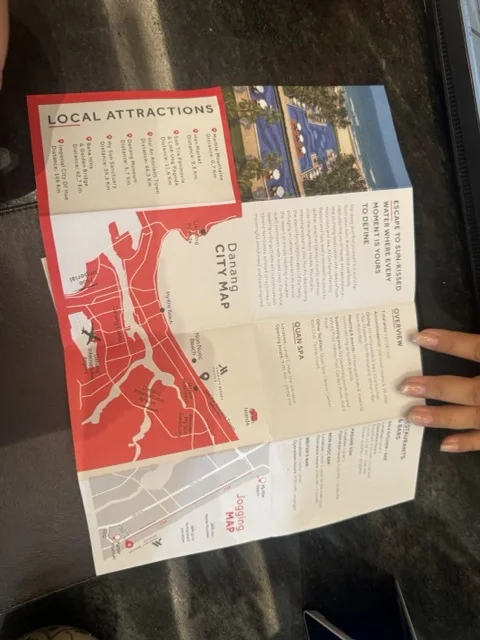
One-size-fits-all welcome amenity. Printed brochures for everyone. Birthday notification, but no action tied to it. Data collected but not used.
After: AI Personalization
Tailored concierge outreach. Personalized recommendations based on profile. Birthday specials matched to preferences. Data drives every touchpoint.
The AI Personalization Flywheel
The hospitality brands getting this right are not doing it with better technology. They are doing it with a better approach to data.
I call it the AI Personalization Flywheel. Here is how it works:
1. Capture signals from every guest interaction. 2. Extract patterns using AI to find meaningful preferences. 3. Drive experiences that feel personalized. 4. Build trust so guests willingly share more. 5. Improve personalization with better data. Each cycle makes the system stronger.
Unlike a one-time data project, this flywheel builds with every cycle. Hotels running this model have seen revenue growth up to 30% as guests respond to experiences built around their actual preferences — not assumptions.
The Real Problem Is Leadership, Not Technology
95% of organizations investing in AI are getting zero return. Hospitality is no different.
The technology works. The data exists. What is missing is someone in the room who knows how to lead an AI personalization program — someone who can bridge the gap between guest data sitting in a CRM and the experience that actually lands in room 412.
That is the capability hotels need to build. Not more expensive amenities. Not fancier lobbies. Leaders who understand how to run people and AI together.
Key Takeaways
Data Without Activation Is Wasted
Hotels collect guest data constantly but fail to use it in real time. The gap isn't data collection — it's the systems and leadership to activate that data into memorable experiences.
Personalization Builds Trust, Trust Builds Data
When guests feel understood, they share more willingly. This creates a flywheel where each cycle of personalization makes the next one stronger, driving measurable revenue impact.
The Competitive Advantage Is Leadership
The barrier to hotel AI personalization isn't the technology. It's having leaders who understand how to connect data infrastructure with people management to deliver experiences at scale.
Ready to Build Hotel AI That Works?
The AI Personalization Flywheel isn't just strategy — it's a system. The AI Officer Certification teaches you how to implement this exact framework in hospitality and other service-driven businesses. You'll learn how to connect guest data, structure your leadership team, and create experiences that drive revenue growth.